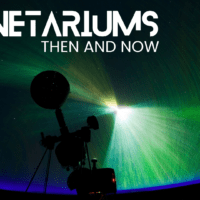
Planetariums: Then and Now

What’s a planetarium, and why are some of them taking on new names?JT Towne, planetarium historian and consultant, will review the invention and development of immersive “sky theaters”, the tech and people that make them successful, and the astronomy and other types of programming trending now.
Fall Skies – Night Sky Observing This Season

Fall is a great time to look into the night sky! Come learn the basics of astronomy and how to navigate the sky. Discover what planets and constellations are visible this fall. Learn how to locate the International Space Station as it flies over the area. The program will include free star maps, constellation training, Read More …

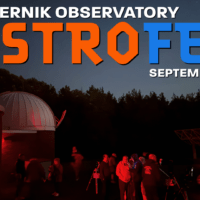
AstroFest 2026

AstroFest is an annual Star Party at Kopernik that features extraordinary speakers and night sky observing. Join the Kopernik Astronomical Society at the 44th Annual AstroFest in 2026—stay tuned schedule announcements. Enjoy astronomy workshops, talks, exhibits, demonstrations, and solar and nighttime observing. Check out the detailed schedule of the event below! Admission:$6.00 adults$4.00 seniors/studentsGroups of 7 Read More …

KoperniKids: World Science Day – Registration Required

Registration Required World Science Day is November 10, 2026! Come celebrate with us! Science is all around us—and it’s full of surprises! Let’s celebrate the amazing world of science and discover how it helps us understand the world we live in. At Kopernik, we LOVE making science fun! Spend the morning exploring magical creatures, traveling Read More …

Casual Evening of Night Sky Observing

While we originally planned to be closed tonight, we just couldn’t ignore the beautiful, clear-sky forecast! Join us, tonight, August 28, for an evening of Casual Night Sky Observing. There is no formal presentation this evening. Doors open at 8:30 pm to view the night sky through Kopernik’s telescopes. Observing Targets will include the Moon and later on Read More …

Perseid Meteor Shower Viewing III – CLEAR ONLY

The Perseid Meteor Shower is one of the best meteor showers to observe, producing up to 60 meteors per hour! Produced by the Swift-Tuttle comet, these meteors appear to radiate from the constellation Perseus. Grab a lawn chair or blanket and head up to Kopernik’s dark skies for great viewing, especially after midnight. Visit www.kopernik.org Read More …

Perseid Meteor Shower Viewing II – CLEAR ONLY

The Perseid Meteor Shower is one of the best meteor showers to observe, producing up to 60 meteors per hour! Produced by the Swift-Tuttle comet, these meteors appear to radiate from the constellation Perseus. Grab a lawn chair or blanket and head up to Kopernik’s dark skies for great viewing, especially after midnight. Visit www.kopernik.org Read More …

Perseid Meteor Shower Viewing I – CLEAR ONLY

The Perseid Meteor Shower is one of the best meteor showers to observe, producing up to 60 meteors per hour! Produced by the Swift-Tuttle comet, these meteors appear to radiate from the constellation Perseus. Grab a lawn chair or blanket and head up to Kopernik’s dark skies for great viewing, especially after midnight. Visit www.kopernik.org Read More …

Comets and Meteors – Perseid Meteor Shower Preview

Learn about meteor showers and comets, and how to view them. Preview the Perseid Meteor shower. See images of famous comets and meteor showers and learn about collisions that could devastate the world. Touch a meteorite and see a comet made right in front of your eyes.

The Sun: Our Eruptive Neighbor

The Sun is fundamental for our existence on Earth, but it is far from a quiet fixture in the sky. Come learn about the Sun’s eruptive activity, from solar flares to coronal mass ejections, and discover the results of such powerful events, including beautiful auroral displays that light up our night skies.

Great Telescope Dust-off

Is there a telescope collecting dust in a corner of your basement, garage, or attic?  Dig it out and bring it up to Kopernik!  Kopernik experts will assess its condition and show you how to set it up and use it.  There is always a lot to see in the sky.  Let Kopernik help you Read More …

Summer Skies – Night Sky Observing This Season

The summer solstice occurs June 21 at 4:24am! Now that we are about to enter summer, discover what will be up in the sky this season. Learn how to identify constellations and planets in the summer sky, and how to spot the International Space Station. Free star maps will be provided. If you have your Read More …

Race to the Stars 2026 – Registration Required

This event requires registration (see link below). Kopernik’s Race to the Stars 5K road race is an annual fundraiser that started in 2018. Join us for this special 5K road race through the hills surrounding the Observatory. We invite all to participate by sponsoring, donating, running, and cheering your friends and family on!

RocketFest 2026 – Registration Required

This event requires registration (see link below). RocketFest 2026 is a GO! Pick a launch time, choose a skill level, pickup your rocket kit, build it at home, and return to Kopernik on May 30 to launch it high in the sky!

Casual Evening of Night Sky Observing

Due to the anticipated sky conditions, Kopernik Observatory will not be open on Friday, April 3 for an evening of Night Sky Observing. We will be open on Friday, April 10, for our next Friday Night program: Deepfakes, AI, and the Future of Trust: How Can We Tell What’s Real?

Friendly Neighborhood Engineers Helping NASA Back to the Moon

The Southern Tier has a long history of support for the space program. Engineers at Owego’s Lockheed Martin are contributing to the Artemis 2 mission to the moon. Come learn about NASA’s latest mission to return humans to the Moon and how local engineers are making that happen.